Breaking Free from Common Health Issues: 7 Nutritional Strategies for Optimal Well-being
Are you tired of dealing with persistent health problems that seem to be taking over your life? You’re not alone. Many of us have struggled with issues like fatigue, digestive problems, and skin issues, only to find ourselves stuck in a cycle of symptoms and temporary solutions. But what if you could unlock optimal health and prevent these issues from arising in the first place? The answer lies in your nutrition.
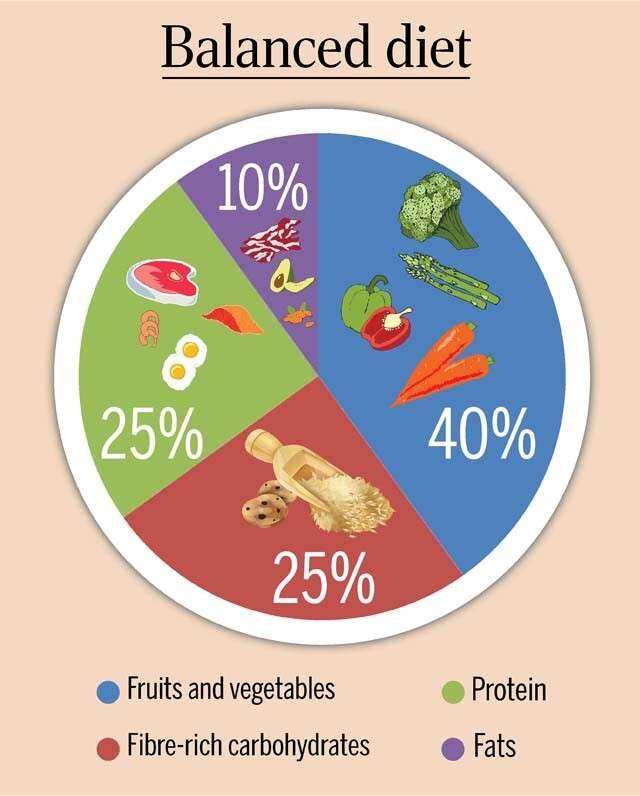
As we navigate the complexities of modern life, it’s easy to overlook the connection between what we eat and how we feel. But the truth is, our diet plays a critical role in maintaining our overall health and well-being. By making a few simple – yet powerful – changes to your eating habits, you can dramatically reduce your risk of developing common health issues and unlock a life of vibrant energy and vitality.
Here are 7 nutritional strategies to get you started:
1. Eat to Beat Inflammation
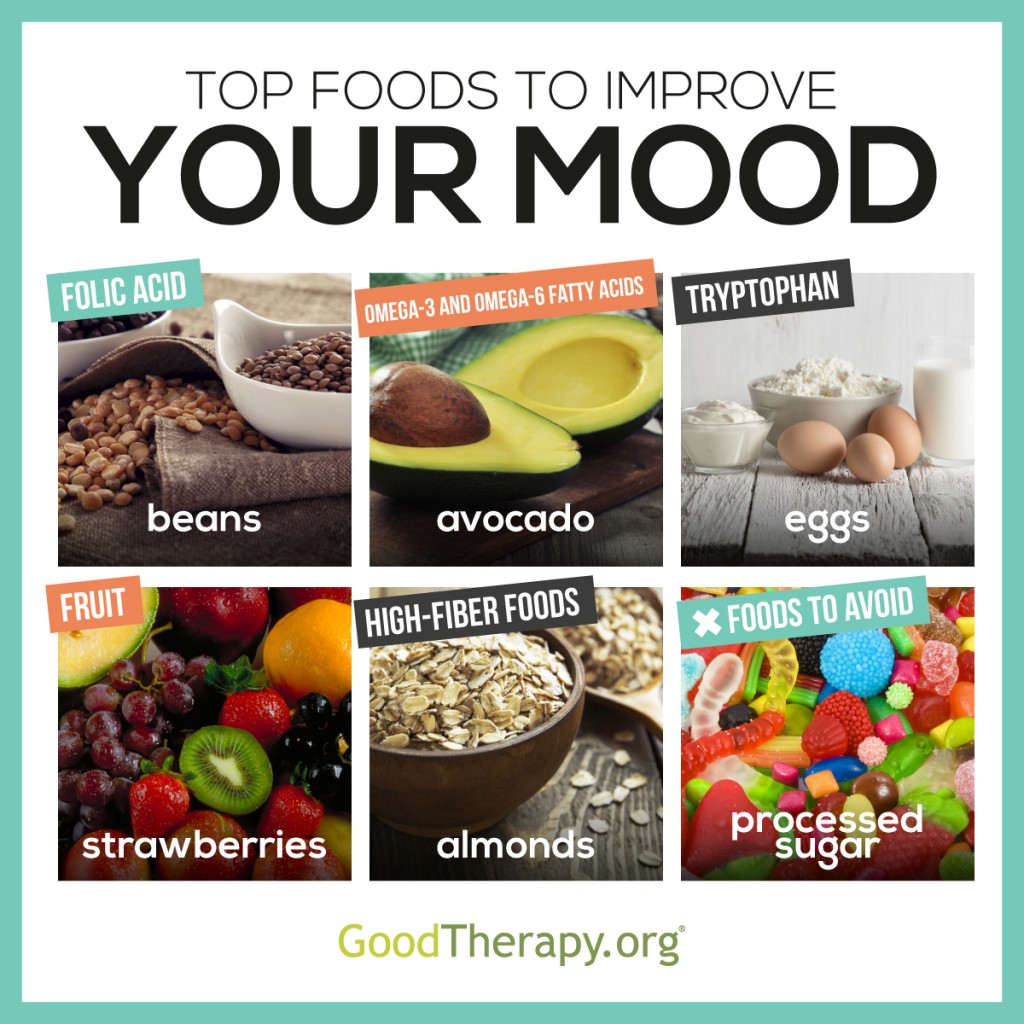
Inflammation is the silent killer behind many chronic health issues, from arthritis to heart disease. The good news is that your diet can play a powerful role in reducing inflammation and promoting healing. Focus on incorporating anti-inflammatory foods like omega-3 rich fatty fish, turmeric, ginger, and leafy greens into your diet. These foods have been shown to have potent anti-inflammatory properties that can help soothe and calm your body.
2. Support Your Gut
Your gut is the unsung hero of your immune system, playing a vital role in keeping you healthy and happy. But when your gut is out of balance, it can lead to a host of issues like digestive problems, skin issues, and even mental health concerns. To support your gut, focus on eating fermented foods like kimchi, sauerkraut, and yogurt, which are rich in probiotics. You can also try incorporating gut-friendly nutrients like psyllium and bone broth into your diet.
3. Get Enough Vitamin D
Vitamin D is the vitamin that’s always in the headlines – and for good reason. This essential nutrient plays a critical role in maintaining strong bones, immune function, and even mental health. But many of us are deficient in vitamin D, particularly in the winter months when we’re exposed to less sunlight. To boost your vitamin D levels, try incorporating vitamin D-rich foods like fatty fish, egg yolks, and fortified dairy products into your diet. You can also consider taking a vitamin D supplement – just be sure to consult with your healthcare provider first.
4. Eat Your Colors
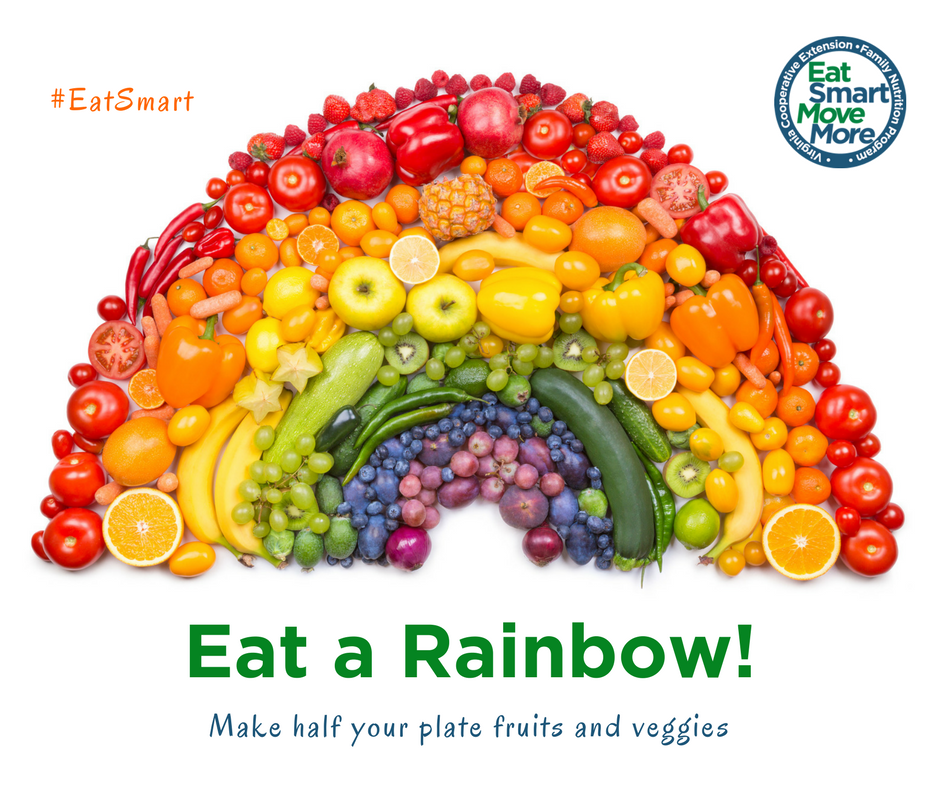
You know the saying: "eat a rainbow." But what does this really mean for your health? The truth is, different colors of fruits and vegetables correspond to different health benefits. For example, leafy greens like kale and spinach are rich in antioxidants that can help protect your eyes and brain. Berries like blueberries and raspberries are rich in anthocyanins that can help reduce inflammation and promote heart health. So next time you’re at the grocery store, be sure to stock up on a variety of colorful fruits and veggies.
5. Make Water Your Best Friend
Staying hydrated is one of the simplest – and most effective – ways to maintain optimal health. Water helps to flush out toxins, regulate your body temperature, and even promote digestion. But many of us are not drinking enough water throughout the day. To make water your best friend, try keeping a water bottle with you at all times and aiming to drink at least 8 cups (64 oz) of water per day.
6. Don’t Forget About Omega-6s
While omega-3s get all the attention, omega-6s are also essential for maintaining optimal health. These healthy fats play a critical role in supporting skin and hair health, as well as reducing inflammation. To incorporate more omega-6s into your diet, try eating nuts and seeds like sunflower seeds, pumpkin seeds, and flaxseeds.
7. Reduce Your Sugar Intake
We all know that sugar is bad for us – but just how bad? The truth is, excessive sugar consumption has been linked to a host of health issues, from obesity and diabetes to heart disease and even cancer. To reduce your sugar intake, try incorporating more protein and healthy fats into your diet, which can help keep you feeling fuller for longer. You can also try using natural sweeteners like stevia and honey instead of refined sugar.
Unlocking optimal health is within your reach – and it starts with the food on your plate. By incorporating these 7 nutritional strategies into your diet, you can dramatically reduce your risk of developing common health issues and unlock a life of energy, vitality, and wellness.